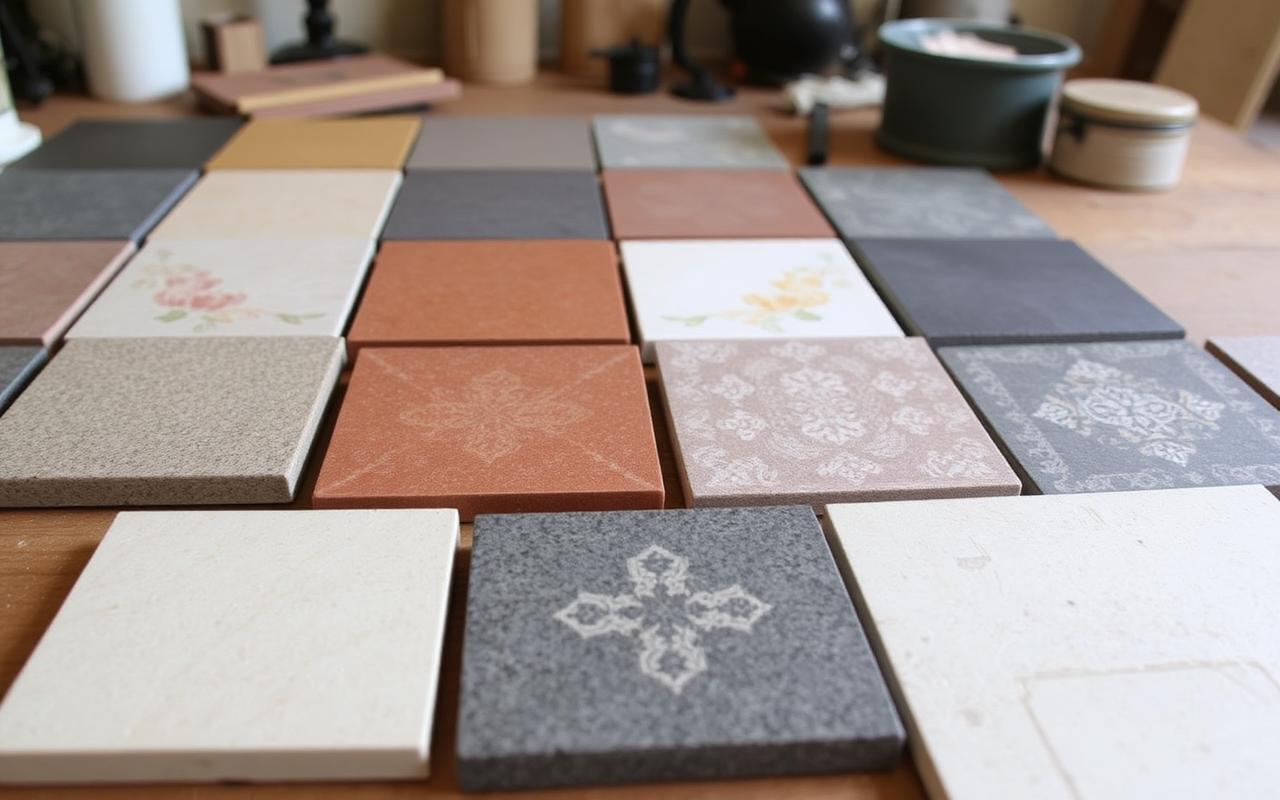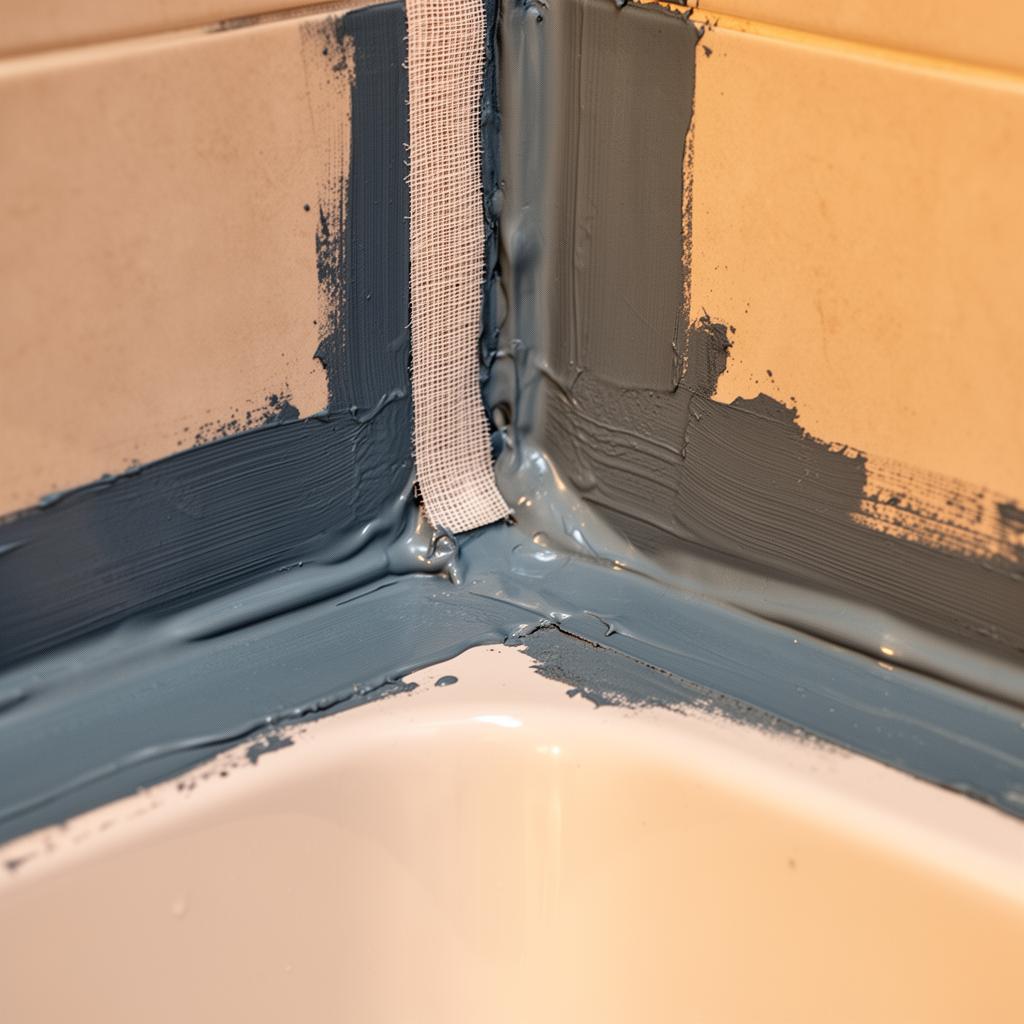
One of the most common questions we get asked on the Sunshine Coast is simple on the surface: "what size tiles should I use in my bathroom?". The honest answer is that there isn't one right answer — and any tiler who gives you a quick number without looking at your room is guessing. Tile size affects how big the room feels, how much grout you'll be cleaning in five years, how the falls work in your shower, how many awkward cuts you'll see at the edges, and even how much the job will cost to install. This guide walks through how we think about it on every project, so you can have a much sharper conversation with whoever ends up doing your bathroom.
Start with the room, not the tile
Before you pick up a single sample, the most useful thing you can do is be honest about the room. How big is it actually? Is it a 3.6 by 2.4 main bathroom, or a 1.8 by 1.5 powder room squeezed under the stairs? How high are the ceilings? Where are the windows and the door? Is the shower in its own enclosure or open-plan? These constraints push you toward certain tile sizes long before taste enters the picture.
A common mistake is to fall in love with a tile in the showroom — usually a large, dramatic slab under perfect lighting — and then try to retrofit it into a small ensuite. By the time it has been cut down to fit the shower, niche, vanity and toilet wall, you've lost everything that made the slab feel special in the first place.
The case for large-format tiles
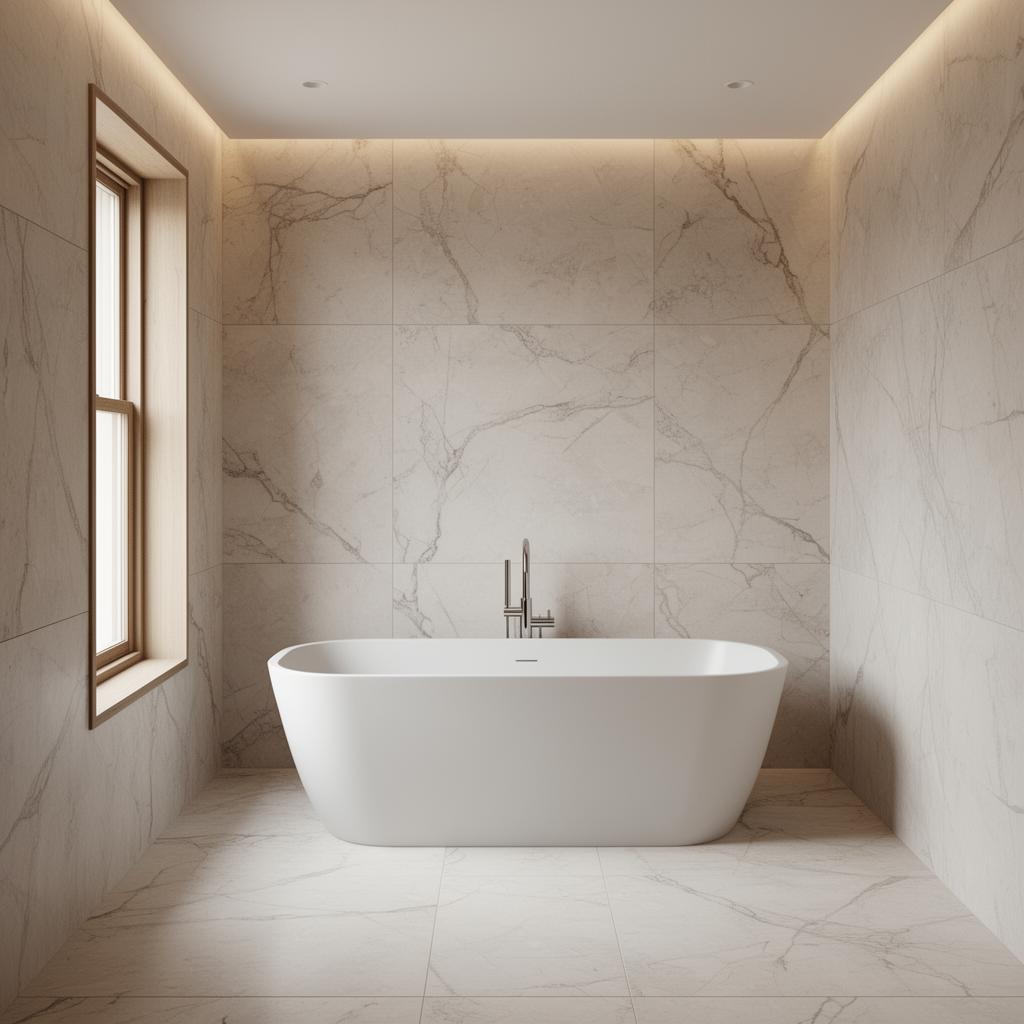
Large-format tiles (anything from 600x600 up to 1200x2800 slabs) have become the default look in premium bathrooms, and for good reason. They massively reduce the number of grout lines in the room. Fewer grout lines means the room reads as calmer, more architectural, and — critically on the Sunshine Coast — far easier to keep clean in a humid climate where grout is the first thing to discolour.
Large tiles also flatter natural stone-look porcelain. The veining can run across the tile in a way that mimics real stone instead of being chopped up every 300mm. On a feature wall behind a freestanding tub, this is the difference between "nice bathroom" and "this looks like the magazine".
But large-format isn't free. The substrate has to be exceptionally flat — within about 3mm over 2m — or you'll get lippage between tiles. The handling is harder, the cuts are more expensive, and not every tiler has the suction equipment or the experience to set a 1200x600 slab cleanly. If you're using slabs above 1200mm, ask your tiler directly how many they've installed in the last 12 months.
The case for smaller tiles and mosaics
Smaller tiles aren't a compromise — they're the right answer for specific jobs. Mosaics in particular are unbeatable for shower bases. A shower base needs falls (gradients) of around 1:80 to 1:100 toward the waste, and you can't bend a 600x600 tile to follow that fall without it cracking or trapping water. Mosaics on a sheet, by contrast, follow the falls naturally, with each tiny tile sitting flat relative to its neighbours.
There's also a textural argument. A small subway tile (75x150 or 100x200) brings warmth and pattern to a bathroom that can otherwise feel like a hotel lobby. Hex floor mosaics, fishscale walls, vertically-stacked subways — these all add personality without becoming a fashion statement that dates in three years.
The downside of smaller tiles is grout. A lot of grout. In a humid coastal bathroom, grout needs to be sealed properly and cleaned regularly or it will go grey-green within a couple of years. If you don't want to maintain it, lean larger.
Floor tile vs wall tile — they don't have to match
A trick we use constantly: large-format on the floor, smaller-format on at least one wall. The large floor tile reads as expansive underfoot, the wall tile adds texture at eye level, and the contrast actually makes the room feel bigger because the eye has somewhere to land.
A workable rule of thumb is to use a wall tile that's roughly half the area of the floor tile. So a 600x600 floor pairs nicely with a 300x600 wall. The dimensions relate visually without being a literal match.
How tile size affects price
Bigger tiles usually cost more per square metre to buy and more per square metre to install. Slab handling, levelling, specialised tools and waste from cutting all add up. As a rough guide, installing 1200x600 large-format porcelain is typically 30–50% more expensive in labour than installing 300x300 standard porcelain on the same area.
Mosaics swing the other way — the tile itself can be inexpensive, but the labour is significant because every sheet has to be checked, aligned and back-buttered. Mosaics in a shower base are usually charged as a separate line item for this reason.
Our rule of thumb
On most Sunshine Coast bathrooms, we'll specify large-format porcelain on the walls (600x1200 is a sweet spot for cost vs effect), large-format porcelain on the floor (600x600 or 600x1200), and mosaics in the shower base for falls. That gives you the calm, premium look on the visible surfaces with a practical wet-area detail where it matters.
If the bathroom is genuinely small (under 4 square metres of floor), we sometimes pull back to 450x900 or 600x600 to avoid awkward cuts. And if the client wants real personality, we'll add a feature wall in a smaller-format hand-finished tile so there's one moment in the room that feels human.
Before you commit
A trick that costs nothing and saves a lot of regret: ask your tiler to dry-lay a section of the proposed tile on the floor of the room before any waterproofing or adhesive goes down. Stand in the doorway. Look at it from the shower. Walk around the vanity. Five minutes of standing in the actual space tells you more than five hours of showroom comparisons.
If you're still unsure, give us a call on 0432 651 609 or send us a message — we're happy to walk through your specific bathroom and tell you what we'd specify and why, even if you end up using someone else to install it.
Get a quote
Planning a tiling project on the Sunshine Coast?
Call Maroochydore Tiling on 0432 651 609 or request a free quote.